
Phlebotomy Technician
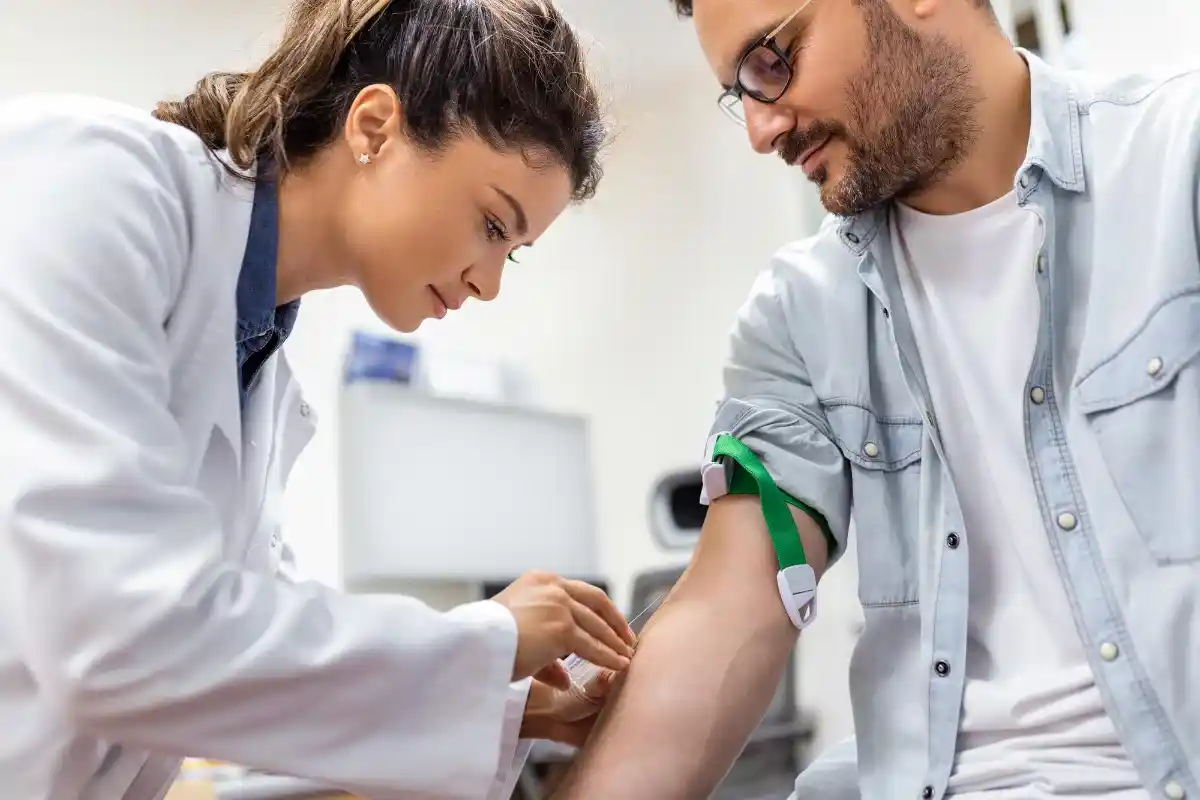
Phlebotomy technicians primarily draw blood for laboratory testing, as well as for donations and research. They work in hospitals, clinics, diagnostic labs, and blood donation centers, following strict safety and infection-control protocols while identifying patients, selecting veins, and labeling and transporting specimens so results stay accurate and traceable. Because the role requires steady hands, close attention to detail, and comfort working directly with patients, it is one of the fastest ways to start a hands-on career in healthcare.
Why Choose New York Academy
Graduates pursue roles as a Phlebotomy Technician in hospitals, clinics, and healthcare practices.
What You’ll Learn
✓
Hands-on clinical training with real equipment
✓
Small class sizes with individualized instruction
✓
Taught by working healthcare professionals
At New York Academy, our Phlebotomy Technician program prepares you to become a vital part of the clinical care team in as little as four to six months. Phlebotomists are the professionals who draw blood safely and accurately for diagnostic testing, transfusions, research, and donations — a role that touches nearly every patient who enters a hospital, clinic, or lab.
A Direct Path Into Healthcare
Phlebotomy is one of the fastest entry points into a clinical career, combining focused classroom instruction with real hands-on venipuncture practice. Graduates find opportunities in:
Hospitals and emergency departments
Diagnostic and reference laboratories
Blood donation and plasma centers
Outpatient clinics and physician offices
Mobile and home health blood-draw services
Hands-On From Day One
You will practice venipuncture and capillary collection technique on training arms and, under supervision, on fellow students before progressing to a supervised clinical externship where you draw blood from real patients.
Built Around the Certification Exam
The curriculum is mapped to the body of knowledge tested by national certifying bodies, so coursework, labs, and practice exams all point toward passing your certification on the first attempt
Train competent, safety-focused phlebotomy technicians who can perform venipuncture and capillary blood collection accurately, communicate professionally with patients, and follow the specimen-handling standards required by clinical laboratories.
Anatomy and Clinical Foundations
Build the medical knowledge base every phlebotomist needs to work safely and confidently:
Circulatory system anatomy and vein selection
Medical terminology used in lab and hospital settings
Infection control, standard precautions, and OSHA bloodborne pathogen rules
Patient identification and specimen chain-of-custody procedures
Venipuncture and Collection Technique
Develop precise, repeatable hands-on skill through supervised practice:
Venipuncture using evacuated tube, syringe, and butterfly methods
Capillary (fingerstick and heelstick) collection
Order of draw and tube additive selection
Handling difficult draws and recognizing complications
Specimen Handling and Lab Operations
Learn how a properly collected specimen becomes a reliable test result:
Labeling, transport, and processing requirements
Centrifugation and specimen storage basics
Point-of-care testing support
Quality control and rejection criteria
Professional Practice
Prepare for the realities of a clinical workplace and the certification exam:
Patient communication and bedside manner
HIPAA and patient confidentiality
Certification exam review and practice testing
Resume preparation and externship readiness
A focused 20-week program totaling 240 academic hours, combining classroom instruction, supervised lab practice, and a clinical externship — structured so you can move quickly from enrollment to certification-ready.
Module 1 — Foundations (Weeks 1–4)
Circulatory system, vein and artery anatomy, terminology used across the clinical lab
Standard precautions, bloodborne pathogens, OSHA compliance, sharps handling
Module 2 — Collection Technique (Weeks 5–9)
Evacuated tube, syringe, and butterfly draws; order of draw; tourniquet technique
Fingerstick and heelstick methods, special considerations for pediatric and geriatric patients
Hematoma, hemolysis, vein selection challenges, patient reactions
Module 3 — Lab Operations (Weeks 10–13)
Labeling, transport, centrifugation, storage, and rejection criteria
Glucose, hematocrit, and other bedside testing support
Module 4 — Externship & Exam Prep (Weeks 14–20)
Supervised blood draws on patients at an affiliated clinical site
Practice testing and review mapped to national certification exam content
Graduates are prepared to sit for a national Certified Phlebotomy Technician (CPT) exam, a widely recognized credential that strengthens job placement across hospitals, labs, and clinics.
Applicant Profile
We look for candidates who are comfortable working closely with patients, detail-oriented under time pressure, and ready to commit to a hands-on lab schedule.
Academic Requirements
High school diploma or GED
Basic reading and math proficiency for dosage and labeling accuracy
Comfort with routine exposure to blood and clinical settings
Required Documentation
Completed admission application
Government-issued photo ID
Proof of immunizations required for clinical externship (varies by placement site)
Background check and drug screening prior to externship
Two recent passport-size photographs
Clinical Lab Requirements
Scrubs or approved clinical attire for lab and externship days
Closed-toe, non-slip footwear
Reliable transportation to the externship site
CPR/BLS certification (can be completed during the program)
Career Outlook
Graduates pursue roles as a Phlebotomy Technician in hospitals, clinics, and healthcare practices.

Preparing doers and healers for the future through rigorous certifications in healthcare, ministry, and skilled trades.
Contact Us(518) 708-1373info@newyorkacademy.us